CASE STUDIES
Welsh Government
Grant Assessor
Assessed and moderated capital funding bids for Museums in Wales over four different years from 2023. The grant aims to transform service delivery, modernise facilities and improve the museum offer to the people and communities they serve. The projects focus on improving access, partnership working, decarbonisation and the development of more sustainable services.

Nantgarw Chinaworks Museum
Museum Accreditation
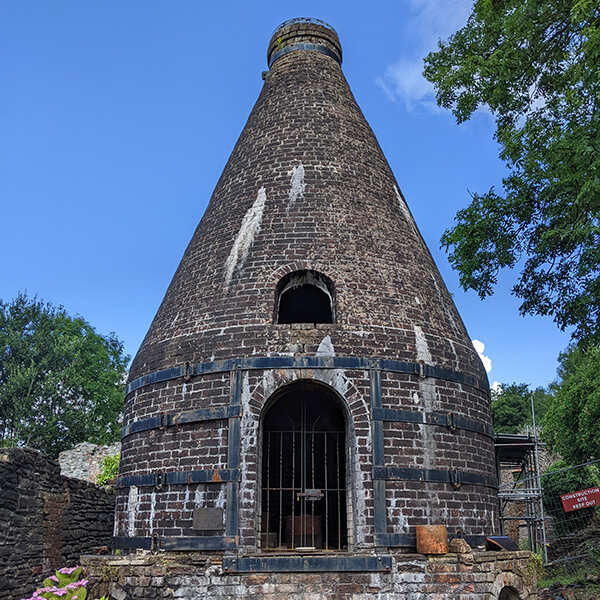
Nantgarw China Works is a 200-year-old heritage site associated with the renowned Nantgarw porcelain factory and later clay tobacco-pipe works.
The Trustees commissioned a series of policies and plans to be devised to support their ambitions to achieve Museum Accreditation Status with the Arts Council. This work predominantly focused on producing policies and plans associated with Audience Development, Access, Collection Care and Conservation. This required working closely with the trustees, employing research and analysis skills and delivering a focus group.
HOLY TRINITY PARISH CHURCH
Interpretive Strategy
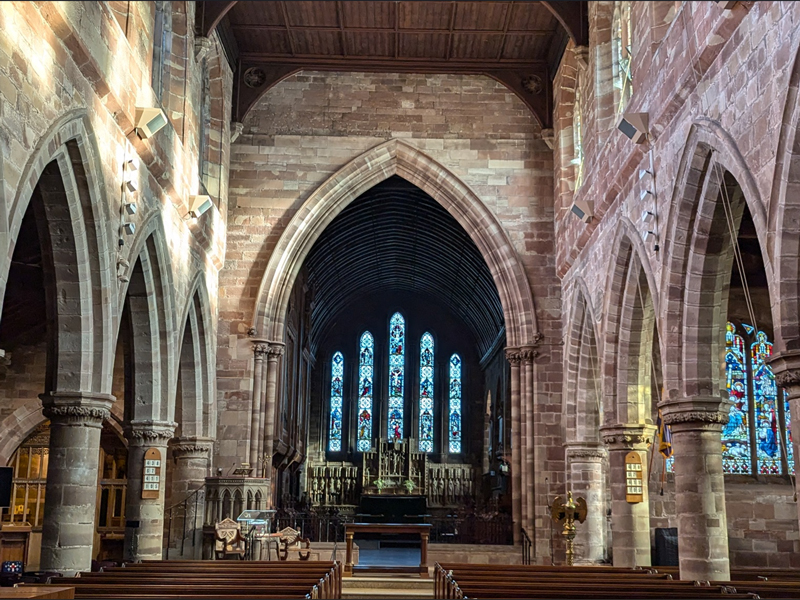
Staffordshire’s Holy Trinity Church, centuries old, is known for its significant ties to the Bishops of Lichfield and its architectural heritage. Support focused on researching ecclesiastical case studies and developing an Interpretation Strategy with prioritised storylines. Challenges included considering multipurpose spaces while respecting the sacred atmosphere, protected features and historical significance. Museum skills were transferred to a church setting.
THE HERITAGE COUNCIL OF IRELAND
MSPI Assessor
The Museum Standards Programme for Ireland (MSPI), coordinated by The Heritage Council, is a national accreditation initiative that supports professional standards across Irish museums and galleries. The programme provides a framework for museums to strengthen their practice in areas such as collections care, governance, interpretation and public engagement.
The MSPI Assessor reviews museum accreditation applications and supporting evidence, conducts site visits, provides guidance, prepares recommendations and contributes to assessment panels.
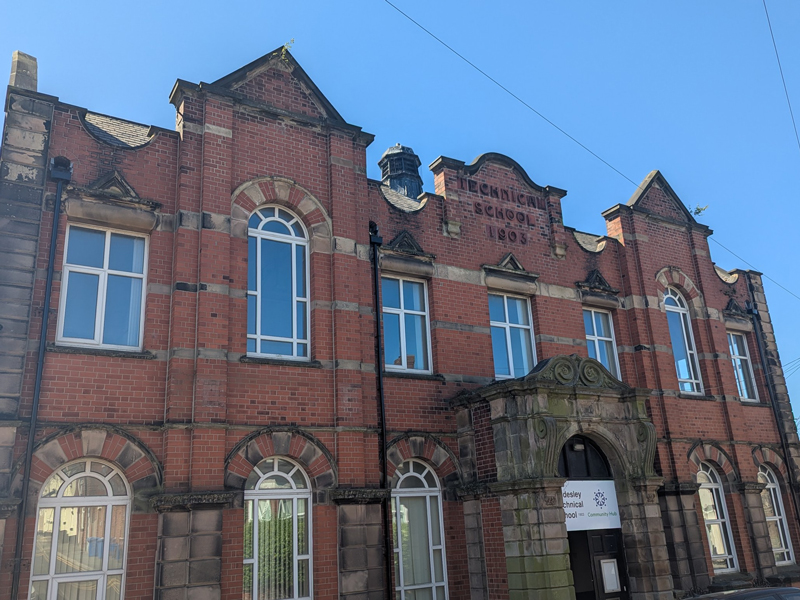
Tyldesley Technical School
Audience Research and Exhibition Writer
Nestled in Greater Manchester, the remarkable Tyldesley Technical School stands as a survivor of the town’s rich industrial past. The town’s roots in coal mining stretch back to Roman times, and this former school, surprisingly houses the nation’s only surviving and purpose-built underground Miners’ Training Gallery, dating to 1912.
This study involved audience research, consultations and writing the content for a new heritage exhibition showcasing the town’s legacies.
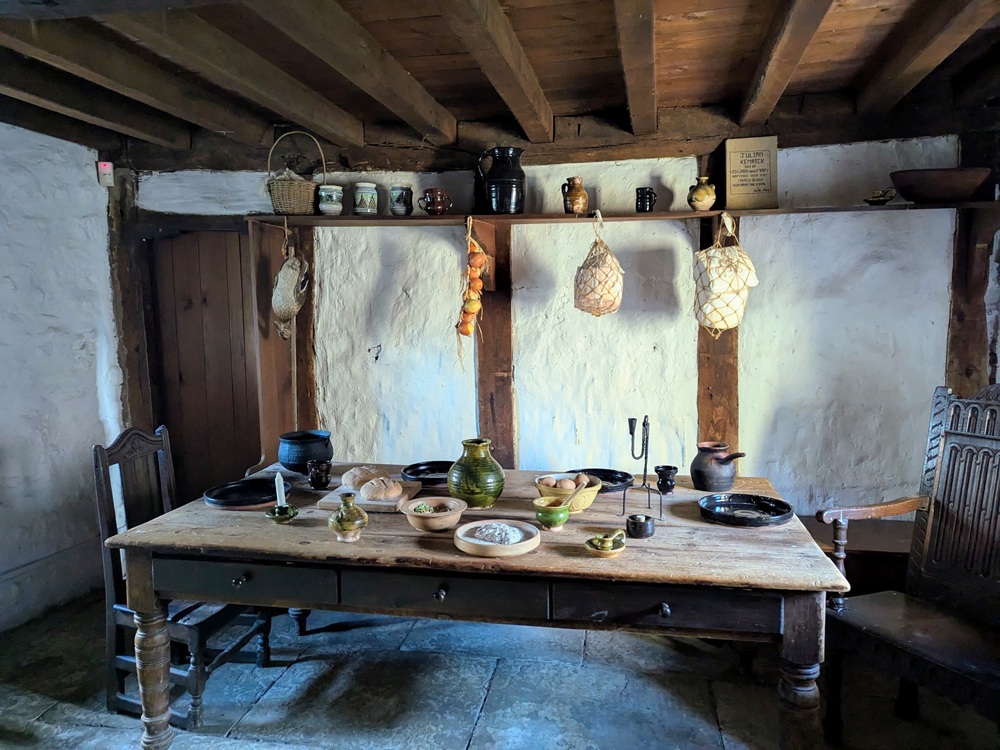
GREENFIELD VALLEY HERITAGE PARK
Formal Learning Review
Greenfield Valley Heritage Park is a 70-acre heritage site in Flintshire, spanning 2,000 years of industrial, social and natural history.
The Formal Learning Review supported the park’s 10-year expansion plan by evaluating its educational offer, resources and alignment with the new Curriculum for Wales. Through consultation, visitor research, evaluation and data analysis, the review identified opportunities to maximise the site’s learning potential and achieve strategic alignment with regional and national initiatives.
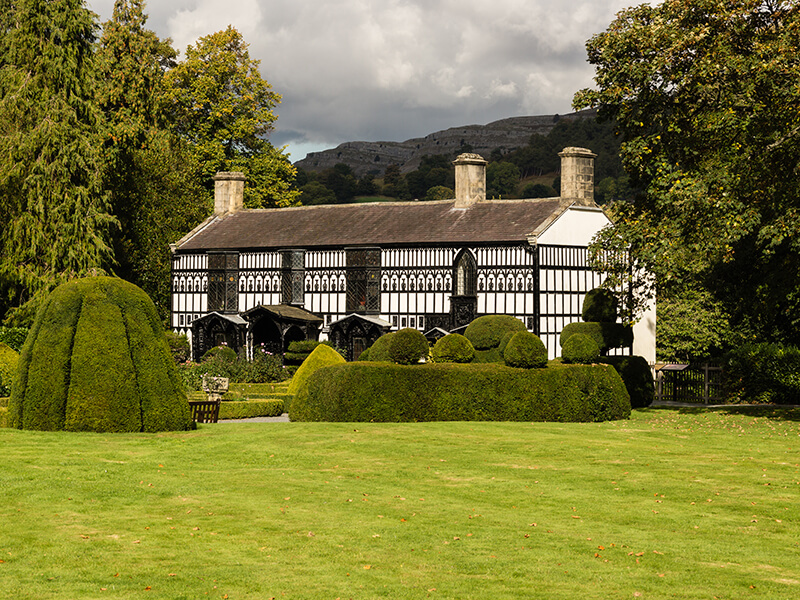
Plas Newydd Historic House
Interpretive Planner
Llangollen’s Plas Newydd Historic House and Gardens is a 14th Century estate which was home to the ‘ladies of Llangollen’ who transformed it into a gothic fantasy in the Regency period.
A site-specific Interpretive Strategy and Action Plan was created to dovetailed themes in an existing strategy, identified by the Clwydian Range and Dee Valley AONB’s ‘Our Picturesque Landscape’. As well as assessing current interpretation, the site strategy generated new themes and provided recommendations on more engaging methods to interpret the narrative. Best practise examples were provided across the whole site.
Welsh Government
Wellbeing Case Studies
Wellbeing Study in Welsh Museums
Commissioned as a researcher to explore the impact of Welsh Museums on the wellbeing of visitors. This work included obtaining ten case studies resulting in a digital publication of the wellbeing provision in museums and providing online training on how museums could use the University College London (UCL) Museum Wellbeing Measures Toolkit. For those participating in this scheme voluntarily, the data culminated into a report to give insight into the impacts museums have on the general visitor.
PATHS YOU WALK
Evaluator
‘Paths You Walk’ was a photographic and film heritage project based in Walsall, reimagining stories of industrial migration in the Black Country during the 1960s and funded by the NLHF. It drew on archival material and testimonies from first and second-generation South Asian communities. Three large-scale photographic tableaux were created alongside short films, culminating in an exhibition at The New Art Gallery Walsall with new testimonies deposited at Walsall Archives.
Commissioned as an evaluator in the final year, the role involved strengthening the evaluation framework, analysing qualitative and quantitative evidence, conducting interviews, reviewing feedback and presenting findings and infographics in a final report.
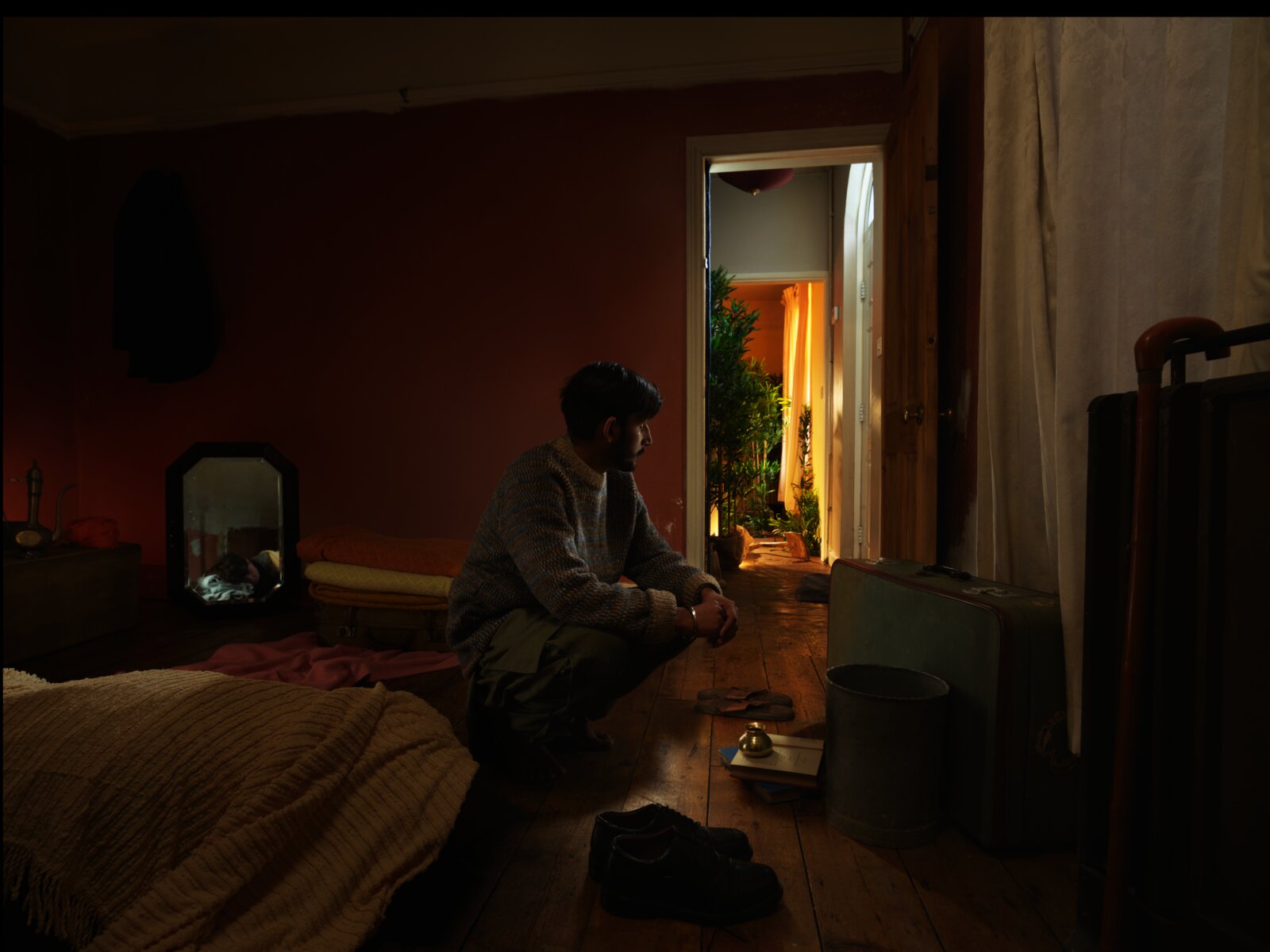
Ambush (2026) Paths You Walk, Reimagining Industrial Migratory Stories CIC. Created by Billy Dosanjh, Website: https://reindmig.com
Ruthin Gaol
Interpretive Planner
Denbighshire’s Ruthin Gaol is the UK’s only purpose-built, Pentonville-style prison open to the public as a heritage attraction. This Grade II* listed building has a remarkable history, from its origins as an early 1700s Gaol to its later role as a munitions factory during the Second World War.
The Interpretive Strategy reviewed existing displays and analysed on-site and digital content. Research drew on relevant case studies and newly discovered historical information, informing a reconsideration of narratives and themes. The General Learning Outcomes (GLOs) framework was applied, and recommendations were provided. Advice on content structure was gratefully received from Headland Design, Chester.
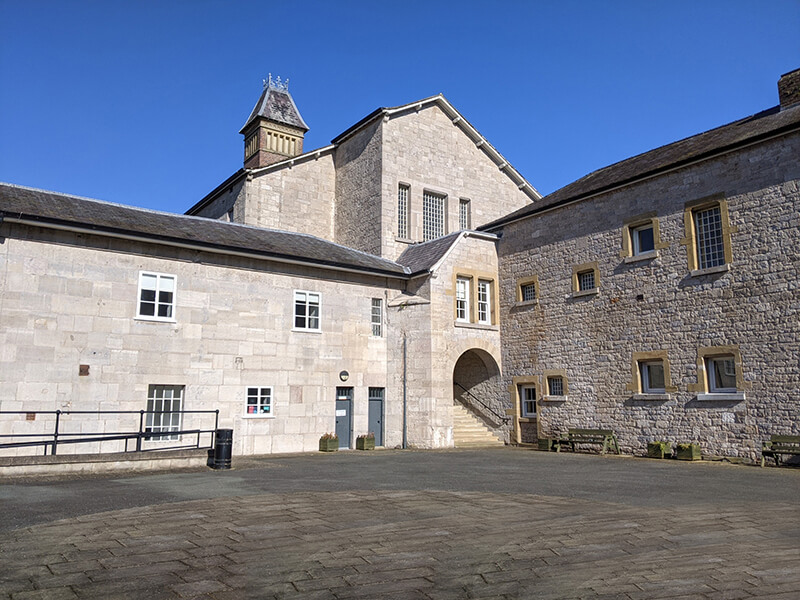
DENBIGHSHIRE Heritage Service
Staff Audit
The core aim of this report was to provide options on a staff restructure for Denbighshire’s Heritage Service, based on appraising the current and future needs of the Service across its facilities. This included analysing current needs, gaps in provision, changing needs in the next 3 years and long term needs to include capital investment and expansion of the service and sites A clearer understanding of the heritage services future needs was clarified and ew staff roles were created.

Hoole Primary School, Chester
Workshop Developer and Facilitator
A workshop for Upper Key Stage 2 pupils linked PSHE, Literacy, and History through Street Child by Berlie Doherty. Pupils explored a local workhouse using maps, newspaper articles and census rec-ords, examining living conditions and discussing reasons for admission and changing attitudes to poverty and welfare. They also distinguished between primary and secondary sources, developing critical thinking by evaluating the reliability and bias of literature, online content and news media.

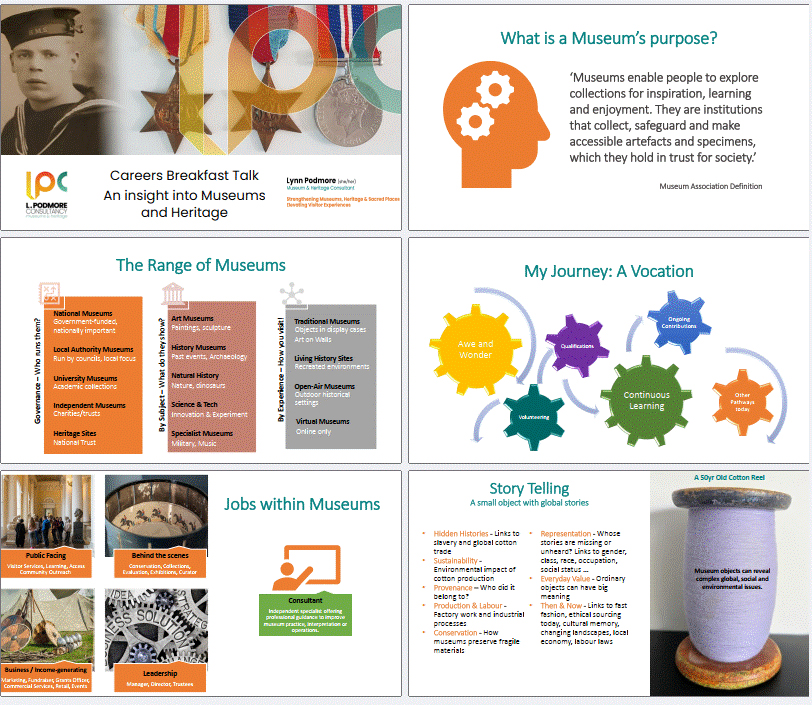
Museum Careers: Interactive Talk
Pathways, Professional Development
Invited to deliver a careers talk for learners introducing pathways into museums and the wider heritage sector, highlighting the breadth of professional roles available. Using a cotton reel from a historic mill in Cheshire as a focal point, the session demonstrated how everyday objects can unlock wider social and historical narratives, including global themes such as sustainability, working conditions, labour laws, industry and empire. The discussion illustrated how different museum careers interpret, preserve, research and communicate these stories, making collections relevant and accessible to diverse audiences. As well as highlight how, other relevant careers connect including management, marketing and fundraising.